

Heart: Structure and Function
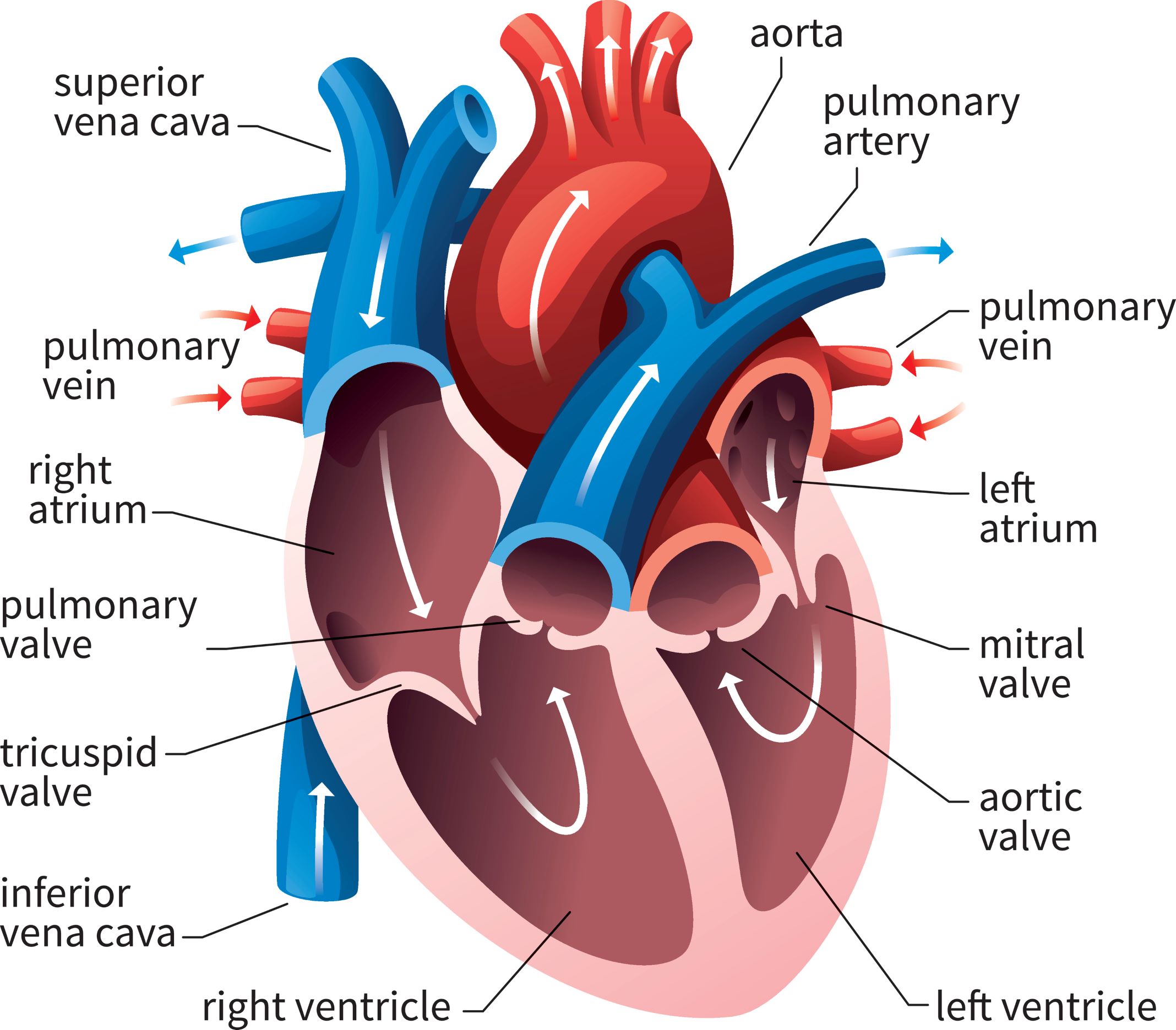
The heart is a muscular pump divided into four chambers: the right atrium, right ventricle, left atrium, and left ventricle. Blood flows through the heart in a precise sequence: deoxygenated blood enters the right atrium, passes to the right ventricle, and is pumped to the lungs for oxygenation. Oxygen‑rich blood returns to the left atrium, then to the left ventricle, which pumps it out to the body through the aorta.
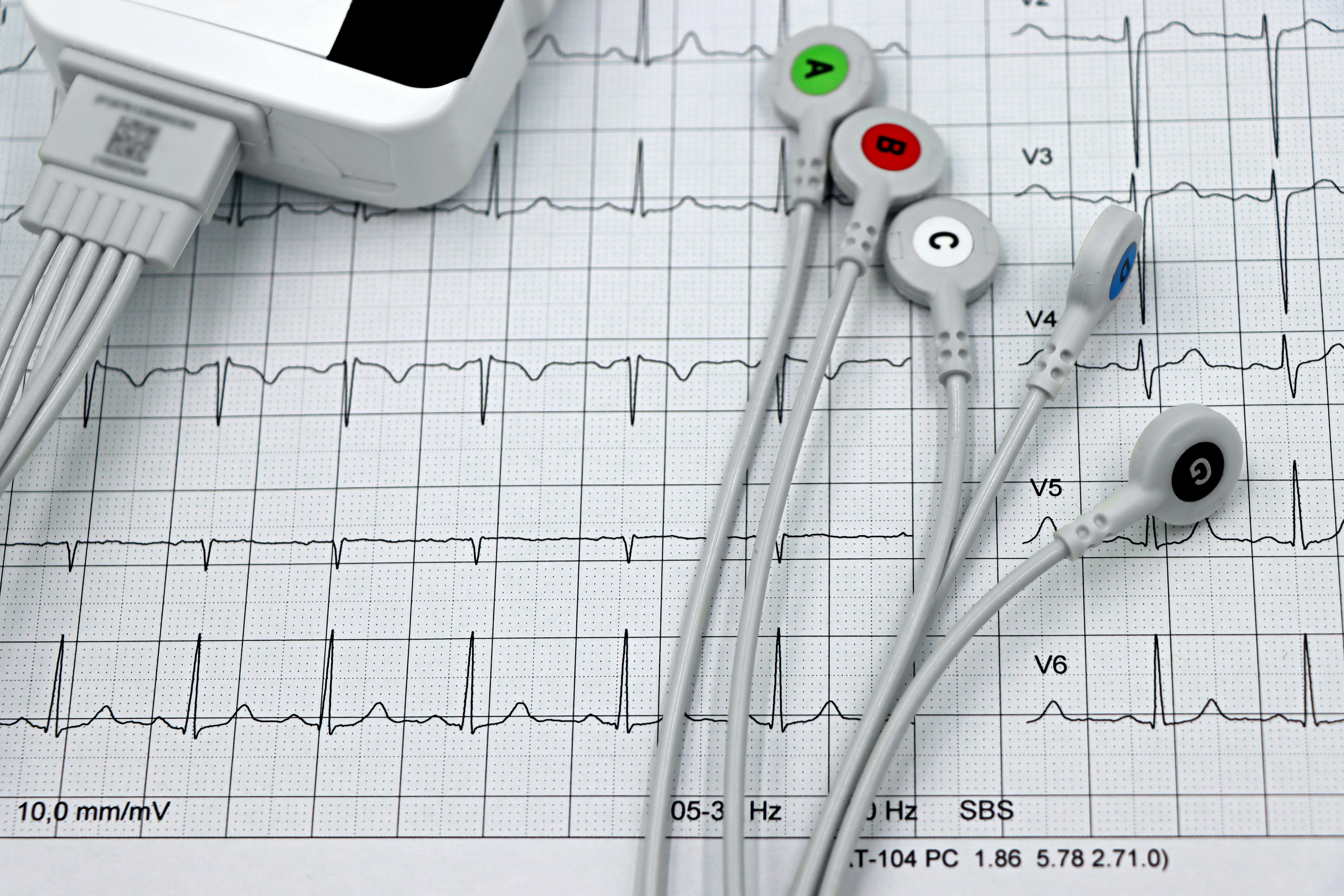
Coronary arteries supply the heart muscle itself with blood. Blockages in these arteries can lead to angina or myocardial infarction (heart attack). Understanding this anatomy helps in assessing risk factors and interpreting diagnostic tests like ECGs and stress tests.
Diagnostic Scope
The Cardiovascular Risk Assessment service focuses on the early detection of anomalies within the heart and circulatory system. By analyzing physiological data—including systolic/diastolic blood pressure and resting heart rate—the system calculates the statistical probability of myocardial stress.
Common Cardiovascular Conditions
Coronary Artery Disease
Narrowing of the coronary arteries due to atherosclerosis. Can cause angina, shortness of breath, and heart attack.
Heart Failure
The heart's pumping ability is reduced, leading to fluid buildup in the lungs and extremities. Often a chronic condition managed with medication.
Arrhythmias
Abnormal heart rhythms—too fast, too slow, or irregular. Atrial fibrillation is the most common type and increases stroke risk.
Valvular Heart Disease
Damage to one of the heart valves, affecting blood flow. May be congenital or acquired (e.g., rheumatic fever, degeneration).
Key Risk Factors for Heart Disease
Many factors contribute to cardiovascular risk. Some are modifiable through lifestyle changes, while others cannot be changed.
Modifiable risks
- High blood pressure (hypertension).
- High cholesterol (especially LDL).
- Smoking and tobacco use.
- Diabetes and insulin resistance.
- Obesity and physical inactivity.
- Unhealthy diet high in saturated fats and sodium.
Non‑modifiable risks
- Age (men over 45, women over 55).
- Family history of early heart disease.
- Gender (men have higher risk earlier).
- Ethnicity (higher risk in South Asian, African‑Caribbean populations).
Emerging risk factors
- Chronic kidney disease.
- Inflammatory conditions (rheumatoid arthritis, lupus).
- Sleep apnea.
- High levels of stress and anxiety.
Reducing Cardiovascular Risk
Lifestyle changes can significantly lower the likelihood of heart disease, even in people with genetic predisposition.
- Adopt a heart‑healthy diet. Emphasize fruits, vegetables, whole grains, lean protein, and healthy fats (Mediterranean diet).
- Get regular physical activity. Aim for at least 150 minutes of moderate aerobic exercise per week.
- Maintain a healthy weight. Even modest weight loss improves blood pressure and cholesterol.
- Avoid tobacco. Quitting smoking rapidly reduces risk.
- Limit alcohol. Excessive intake raises blood pressure and contributes to heart failure.
- Manage stress. Chronic stress may contribute to hypertension and unhealthy coping behaviors.
Recent Advances in Cardiology
PCSK9 inhibitors
These powerful cholesterol‑lowering drugs, given by injection, can reduce LDL to very low levels in patients with familial hypercholesterolemia or those intolerant to statins.
TAVR (Transcatheter Aortic Valve Replacement)
A minimally invasive procedure to replace a narrowed aortic valve, now an option for many high‑risk surgical patients.
Artificial intelligence in ECG interpretation
AI algorithms can detect subtle patterns in ECGs that predict future atrial fibrillation or heart failure, sometimes years before symptoms appear.
When to consult a cardiologist: If you have chest discomfort, unexplained shortness of breath, palpitations, or a family history of early heart disease, discuss your risk with a physician. Regular check‑ups that include blood pressure and cholesterol measurements are essential for prevention.